
Rhapsido Novartis Chronic Hives The Confident Patient
The ConfidentPatient:A Doctor Discussion GuideAbout Chronic Hives

There’s hope for managing hives
Life with chronic hives can feel lonely. Flares no one can explain? Sleepless nights? It can take a toll on your quality of life. Maybe you've had hives since childhood. Maybe they appeared out of nowhere. Either way, you've probably asked yourself: Is this just my life now?
It doesn't have to be. Treatments have come a long way. And while finding a plan that works for you can take time, it’s worth it. This guide has tools to help you jump-start a conversation with your doctor – one where you feel confident asking for what you need.
The vicious cycle: stress and sleep
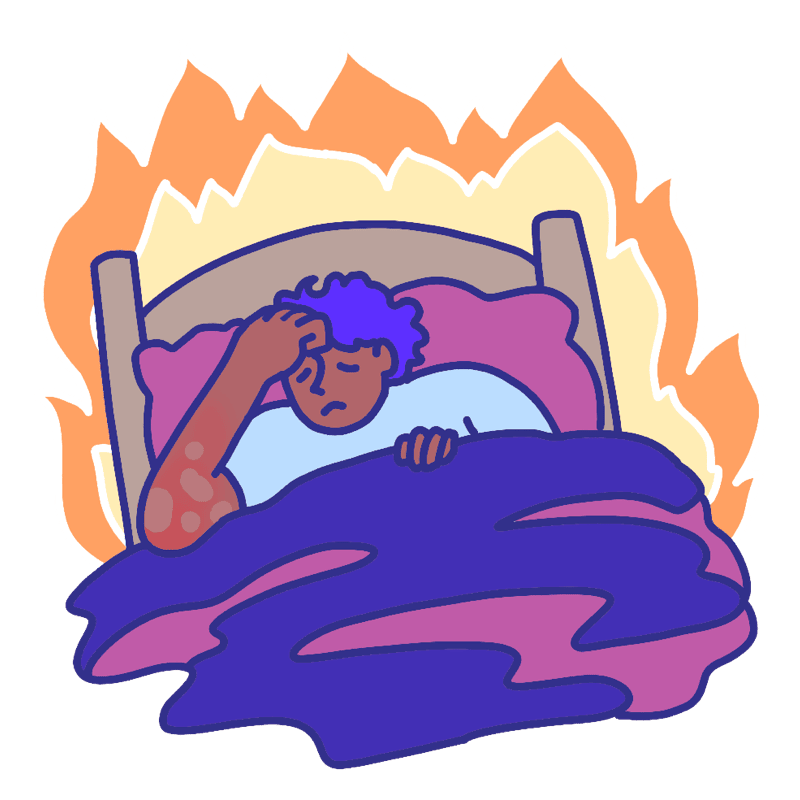
It’s no secret that chronic hives will do a number on your rest and mental health. It can feel like an endless loop: the intense itching makes it impossible to sleep, and the exhaustion leaves you feeling more stressed than ever. What comes next? Stress triggers a flare and you’re back to the beginning.
Breaking this cycle starts with sharing the whole picture with your doctor. Beyond the hives themselves, share how poor sleep and stress affect you. The more information you provide, the more your doctor can help you.
Track your triggers
Hives can appear and disappear within 24 hours. This makes it hard to remember every detail by the time you reach your doctor’s office.
By documenting your symptoms in real time, you can spot patterns that give your doctor valuable clues to what’s going on. This checklist can get you started:
☐ Take photos of your hives – note how many there are and their sizes
☐ List your daily medications, supplements, and meals
☐ Track the weather and places you visit
☐ Keep a log of your daily mood
☐ Monitor your sleep quality at night and during naps

Your quality of life matters
Hives impact more than just your skin. When speaking with your care team, make sure to also talk about the moments you're missing out on because of the itching or lack of sleep. Treatment success means getting back to the life you love.
Consider sharing what’s important to you:
- "I'm up till 2 a.m. most nights, and it makes mornings with my kids impossible."
- "I never have energy to do anything besides work and sleep."
- "I can’t wear the jewelry or clothing I want to wear.”
- “My joints hurt so much I can’t go on walks like I used to.”